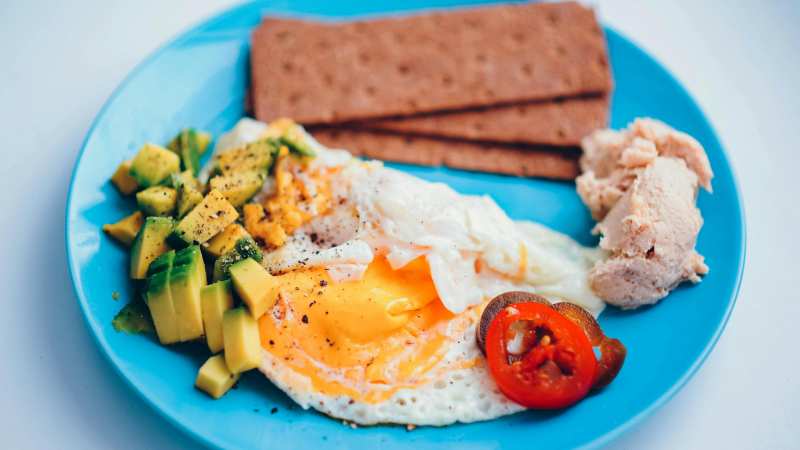
Let’s be honest—when you hear the phrase “balanced meal,” it might sound complicated or restrictive. Maybe you imagine strict diets, tiny portions, or boring food. The truth is, a balanced meal doesn’t have to be perfect.
It’s about giving your body what it needs to function at its best—without stress, guilt, or confusion.
Think of your body like a car. If you use the wrong fuel or skip maintenance, it won’t perform well. But when you provide the right mix of nutrients, everything runs smoothly—your energy, mood, focus, and overall health improve.
Definition of a Balanced Meal
A balanced meal includes the right combination of:
- Carbohydrates
- Proteins
- Healthy fats
- Vitamins
- Minerals
- Fiber
- Water
Each nutrient plays a specific role, like members of a team working together. Remove one, and the system becomes less effective.
Why Balance Matters for Overall Health
Without balanced meals, you may experience:
- Fatigue
- Weight gain or loss
- Poor concentration
- Weak immunity
- Mood swings
Balanced eating stabilizes your blood sugar, supports your organs, and keeps your energy steady throughout the day.
Simply put, balance equals stability.
The Core Components of a Balanced Meal
To build nutritious plates, you need to understand macronutrients. These are the nutrients your body requires in significant quantities.
Macronutrients Overview
There are three main macronutrients:
- Carbohydrates
- Proteins
- Fats
Each has a unique job.
Carbohydrates: Your Body’s Primary Fuel
Carbohydrates aren’t something to fear—they’re your body’s main fuel for energy.
Healthy carb sources include:
- Whole grains (brown rice, oats, quinoa)
- Fruits
- Vegetables
- Legumes
They fuel your brain, muscles, and daily activities.
Without carbs, you feel tired and sluggish—like trying to run a phone on 5% battery all day.
Protein: The Building Block of Life
Protein helps build and repair tissues, muscles, and cells.
Good protein sources include:
- Chicken
- Fish
- Eggs
- Beans
- Lentils
- Tofu
- Yogurt
Protein also keeps you full longer, reducing unnecessary snacking.
Healthy Fats: Essential for Brain and Hormone Health
Fats often get a bad reputation, but healthy fats are essential.
Examples include:
- Avocados
- Nuts
- Seeds
- Olive oil
- Fatty fish
Healthy fats support brain function, hormones, and nutrient absorption.
Think of fats as insulation—they protect and support vital systems.
The Importance of Micronutrients
Micronutrients are needed in smaller amounts, but they are just as important.
Vitamins and Their Functions
Vitamins support:
- Immunity
- Vision
- Skin health
- Energy production
For example:
- Vitamin C boosts immunity
- Vitamin D supports bones
- Vitamin A supports vision
You can get vitamins mainly from fruits and vegetables.
Minerals and Their Role in Body Processes
Minerals like iron, calcium, and magnesium help with:
- Bone strength
- Oxygen transport
- Muscle function
- Nerve signals
Without enough minerals, your body struggles to function properly.
The Perfect Plate Method
The easiest way to build balanced meals is the plate method. No calculators. No stress.
Just visualize your plate divided into sections.
Half Plate: Fruits and Vegetables
Vegetables and fruits should make up 50% of your plate.
They provide:
- Fiber
- Vitamins
- Minerals
- Antioxidants
Examples include:
- Spinach
- Broccoli
- Carrots
- Apples
- Berries
These foods protect your body like armor.
Quarter Plate: Lean Proteins
Protein should fill about 25% of your plate.
Examples:
- Chicken
- Fish
- Eggs
- Beans
Protein keeps you full and supports muscle health.
Quarter Plate: Whole Grains
The remaining 25% should be whole grains or healthy carbs.
Examples:
- Brown rice
- Whole wheat bread
- Quinoa
- Oats
These provide long-lasting energy.
Portion Control Without Stress
Portion control doesn’t mean starving yourself. It means eating the right amount.
Visual Portion Techniques
You don’t need measuring cups. Use your hands:
- Palm = protein portion
- Fist = vegetables
- Cupped hand = carbs
- Thumb = fats
Simple and effective.
Listening to Your Body’s Hunger Signals
Your body sends signals.
Ask yourself:
- Am I truly hungry?
- Or am I bored or stressed?
Eat slowly. Stop when satisfied—not stuffed.
Benefits of Eating Balanced Meals
Balanced meals transform your health in ways you might not expect.
Better Energy Levels
No more energy crashes.
Balanced meals release energy slowly, keeping you active and alert.
Weight Management
Balanced eating helps regulate hunger hormones.
You naturally avoid overeating.
No extreme diets required.
Improved Mental Clarity
Your brain needs nutrients.
Balanced meals improve:
- Focus
- Memory
- Productivity
Food literally fuels your thinking.
Common Mistakes People Make
Even health-conscious people make mistakes.
Skipping Meals
Skipping meals slows metabolism and increases overeating later.
Your body goes into survival mode.
Eating Too Much Processed Food
Processed foods often lack nutrients and contain excess sugar, salt, and unhealthy fats.
They provide calories—but not nutrition.
Ignoring Healthy Fats
Many people avoid fats completely.
This harms hormone balance and brain function.
Healthy fats are essential—not optional.
Easy Ways to Build Balanced Meals Daily
Balanced eating doesn’t require complicated recipes.
Simple Breakfast Ideas
Examples:
- Oatmeal with nuts and fruit
- Eggs with whole grain toast
- Yogurt with berries and seeds
These provide energy for the day.
Healthy Lunch Options
Examples:
- Chicken salad with vegetables
- Rice with beans and vegetables
- Whole grain sandwich with protein
Balanced and satisfying.
Nutritious Dinner Combinations
Examples:
- Grilled fish, brown rice, vegetables
- Chicken, quinoa, salad
- Lentils, whole grain bread, vegetables
Simple, healthy, effective.
Meal Planning for Stress-Free Nutrition
Planning removes guesswork.
Weekly Planning Tips
Choose meals for the week.
Prepare ingredients in advance.
This saves time and reduces stress.
Grocery Shopping Strategies
Shop with a list.
Focus on whole foods.
Avoid impulse purchases.
Preparation leads to success.
Balanced Meals on a Budget
Healthy eating doesn’t have to be expensive.
Affordable Nutrient-Dense Foods
Budget-friendly options include:
- Eggs
- Beans
- Rice
- Seasonal vegetables
- Oats
These provide excellent nutrition at low cost.
Smart Shopping Tips
Buy in bulk.
Choose seasonal produce.
Cook at home more often.
Small choices save money.
Balanced Meals for Different Lifestyles
Everyone’s lifestyle is different.
Balanced eating can work for anyone.
For Busy Professionals
Quick meals:
- Smoothies
- Nuts and fruit
- Simple rice bowls
Convenient and healthy.
For Students
Affordable and simple foods:
- Eggs
- Rice
- Beans
- Vegetables
Easy to prepare.
For Families
Cook balanced meals everyone enjoys.
Focus on variety and nutrition.
Build healthy habits early.
The Psychological Benefits of Balanced Eating
Balanced eating improves mental health too.
Reduced Stress Around Food
No strict diets.
No guilt.
Just balance.
This creates peace with food.
Improved Relationship With Eating
Food becomes fuel—not stress.
You enjoy eating while supporting your health.
Tips to Stay Consistent
Consistency matters more than perfection.
Start Small
Make small changes.
Add vegetables.
Include protein.
Progress builds momentum.
Build Sustainable Habits
Avoid extreme diets.
Focus on long-term habits.
Balance becomes natural over time.
Conclusion
Balanced meals are not about restriction—they’re about nourishment. When you build plates with the right mix of carbohydrates, protein, healthy fats, vitamins, and minerals, you give your body the tools it needs to thrive. You gain steady energy, better focus, improved mood, and long-term health.
The best part? It doesn’t have to be complicated. Using simple strategies like the plate method, portion awareness, and basic meal planning makes balanced eating achievable for anyone.
Think of balanced meals as daily investments in your future self. Every nutritious plate strengthens your body, sharpens your mind, and improves your quality of life.
Start simple. Stay consistent. Your body will thank you.