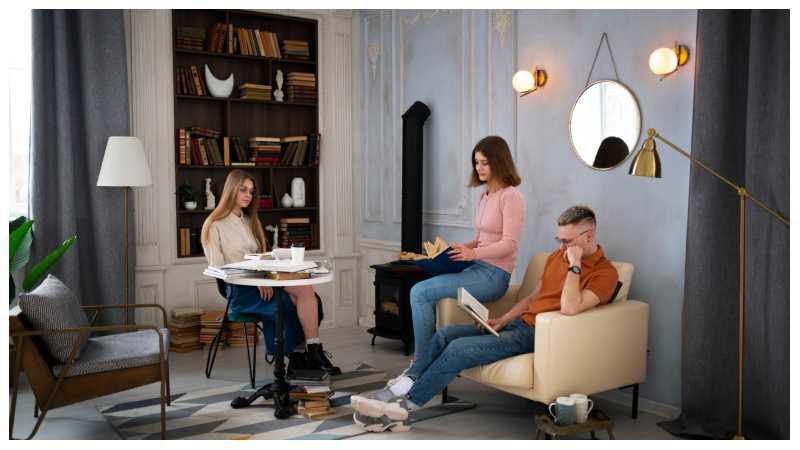
Interior design is constantly evolving, blending creativity, comfort, and functionality to suit modern lifestyles. Today’s homeowners are not only looking for visually appealing spaces but also for environments that reflect personality, promote well-being, and offer practical solutions for everyday living. From sustainable materials to bold color palettes, the latest interior design trends focus on balancing aesthetics with purpose. If you’re planning to refresh your home or completely redesign your space, understanding these trends can help you create a stylish and timeless interior.
1. Sustainable and Eco-Friendly Design
One of the most significant trends shaping modern interiors is sustainability. Homeowners are increasingly choosing eco-friendly materials such as reclaimed wood, bamboo, recycled metal, and natural stone. These materials not only reduce environmental impact but also add unique character to living spaces.
Energy-efficient lighting, low-VOC paints, and sustainable furniture are also gaining popularity. Indoor plants have become a staple in stylish homes, improving air quality while bringing a refreshing natural vibe indoors. For more insights on maintaining a healthy and balanced home environment, you can explore helpful lifestyle resources at WutawHealth, which emphasizes wellness-focused living.
2. Minimalism with Warmth
Minimalism continues to dominate interior design, but with a softer and warmer approach. Instead of stark white spaces and cold finishes, modern minimalism incorporates warm neutrals, textured fabrics, and cozy elements. Think beige walls, soft gray sofas, and wooden accents that create a welcoming atmosphere.
The focus is on decluttering and choosing quality over quantity. Functional furniture with clean lines and multi-purpose features helps maintain an organized look without sacrificing comfort. This trend is perfect for homeowners who appreciate simplicity but still want their space to feel inviting and lived-in.
3. Earthy and Natural Color Palettes
Neutral tones remain popular, but earthy shades such as terracotta, olive green, warm browns, and muted blues are becoming favorites in stylish homes. These colors bring a calming and grounded feel to interiors, making them ideal for living rooms and bedrooms.
Accent walls, textured wallpapers, and decorative accessories in natural tones can instantly elevate a room’s visual appeal. Pairing these colors with wooden furniture and natural fabrics enhances the organic aesthetic that many homeowners desire.
4. Multifunctional Spaces
With remote work and flexible lifestyles becoming common, multifunctional spaces are essential. Homes now feature areas that serve multiple purposes—such as a living room that doubles as a workspace or a guest room with built-in storage solutions.
Smart storage ideas, foldable desks, and modular furniture make it easier to adapt spaces according to changing needs. If you’re looking for creative ideas and inspiration for practical yet stylish home upgrades, you can find detailed home improvement guidance at (https://thehometrotters.uk/), a platform dedicated to modern home living and décor solutions.
5. Statement Lighting
Lighting has evolved from a basic necessity to a design centerpiece. Oversized pendant lights, sculptural chandeliers, and artistic floor lamps are making bold statements in modern interiors. Layered lighting—combining ambient, task, and accent lighting—adds depth and dimension to rooms.
Warm lighting tones are preferred over harsh white lights, as they create a cozy and relaxing ambiance. Smart lighting systems are also becoming more common, allowing homeowners to adjust brightness and color with ease.
6. Textures and Layering
Texture plays a vital role in contemporary interior design. Layering different materials—such as velvet cushions, wool rugs, leather chairs, and wooden tables—adds richness and visual interest. Mixing textures creates depth and prevents spaces from feeling flat or monotonous.
For example, pairing a sleek metal coffee table with a soft fabric sofa and a patterned rug can instantly enhance a room’s character. Textured walls, such as shiplap or stone finishes, are also gaining attention for adding dimension and architectural interest.To explore more tips and insights on modern interiors, check out this detailed guide on IronMart Online reviews.
7. Open-Concept Living
Open floor plans remain a popular choice for modern homes. By removing unnecessary walls, homeowners can create spacious, airy environments that encourage social interaction. Open kitchens connected to dining and living areas make entertaining guests more enjoyable.
To define different areas within an open space, designers use rugs, furniture placement, and lighting. This approach maintains flow while giving each section a distinct identity without sacrificing openness.
8. Personalized Decor
Today’s interior design trends encourage individuality. Rather than strictly following one style, homeowners are mixing elements to reflect personal taste. Gallery walls, vintage finds, handcrafted decor, and custom artwork allow people to showcase their stories and experiences.
Personalized decor adds warmth and authenticity to a space. Whether it’s family photos, travel souvenirs, or DIY creations, incorporating meaningful items makes a house truly feel like home.
9. Smart Home Integration
Technology is seamlessly blending into interior design. Smart thermostats, automated blinds, voice-controlled lighting, and integrated sound systems enhance convenience and comfort. Modern homes are designed to accommodate these technologies without disrupting aesthetics.
Hidden charging stations, built-in speakers, and sleek control panels ensure that technology complements the overall design rather than overwhelming it.
10. Biophilic Design
Biophilic design focuses on strengthening the connection between indoor spaces and nature. Large windows that allow natural light, indoor gardens, water features, and natural materials all contribute to this trend.
Natural light improves mood and productivity, while greenery reduces stress and enhances overall well-being. Incorporating nature-inspired elements creates a harmonious and relaxing environment that supports a healthier lifestyle.
11. Bold Accents and Artistic Elements
While neutral tones dominate base designs, bold accents are making a strong comeback. Jewel tones, abstract art, patterned tiles, and unique furniture pieces add personality and vibrancy. A single bold sofa or an eye-catching piece of art can transform an otherwise simple room.
The key is balance—using bold elements strategically without overwhelming the space.
12. Timeless Over Trendy
Although trends influence design choices, homeowners are increasingly prioritizing timeless pieces. Investing in high-quality furniture and classic designs ensures longevity and reduces the need for frequent updates.
Neutral foundations combined with interchangeable accessories allow flexibility to refresh the look without major renovations.
Final Thoughts
Interior design trends for stylish homes focus on comfort, sustainability, and individuality. From eco-friendly materials and warm minimalism to smart technology and personalized decor, modern interiors are designed to support both aesthetics and functionality. The goal is not just to follow trends but to create a space that aligns with your lifestyle and enhances everyday living.
By incorporating these design ideas thoughtfully, you can transform your home into a stylish sanctuary that reflects your personality while meeting the demands of modern life. Whether you prefer a minimalist approach or a bold, artistic vibe, the key is to strike a balance between beauty, comfort, and practicality.